
What is academic management software?
Academic management software is the system where an educational institution runs its teaching operation: classes, levels, periods and calendars; teacher assignments; daily attendance; evaluations; and each student's academic record. In KMPUS all of that lives in one platform, so the academic team stops reconciling spreadsheets and always works from the same up-to-date information.
It is used by schools, language academies, training centres and private teachers — from a single site to institutions running several campuses and modalities at once.
How the module is used depends on the institution: K-12 schools and colleges organise it around terms, groups and report cards, while language academies and training centres organise it around levels, rolling intakes and continuous placement.
- Classes, levels, periods and academic calendars configured in one place
- Teachers assigned to classes and classrooms, with their availability visible
- Daily attendance, evaluations and results recorded centrally
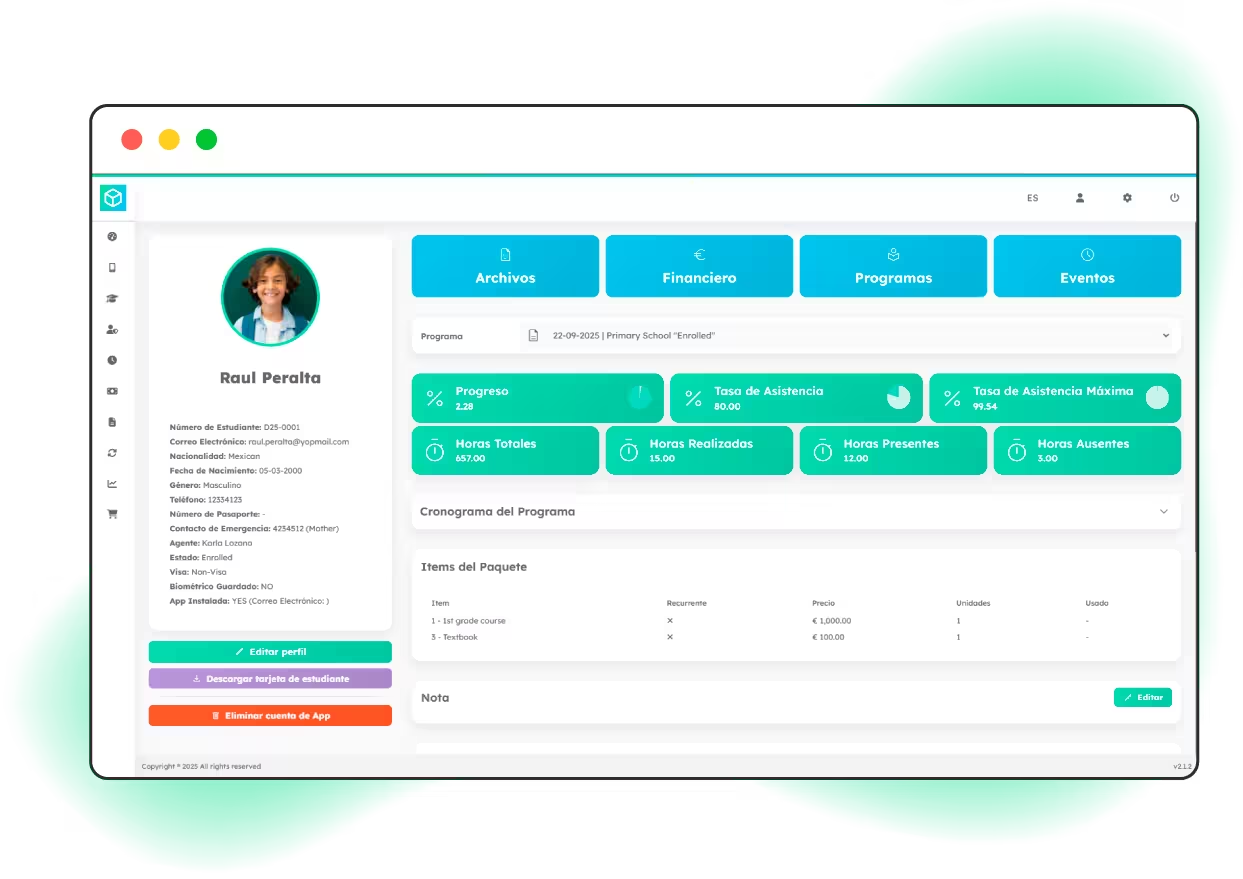
- A single student profile with courses, attendance, evaluations and programme status
- Academic information connected to admissions and finance, with no re-typing
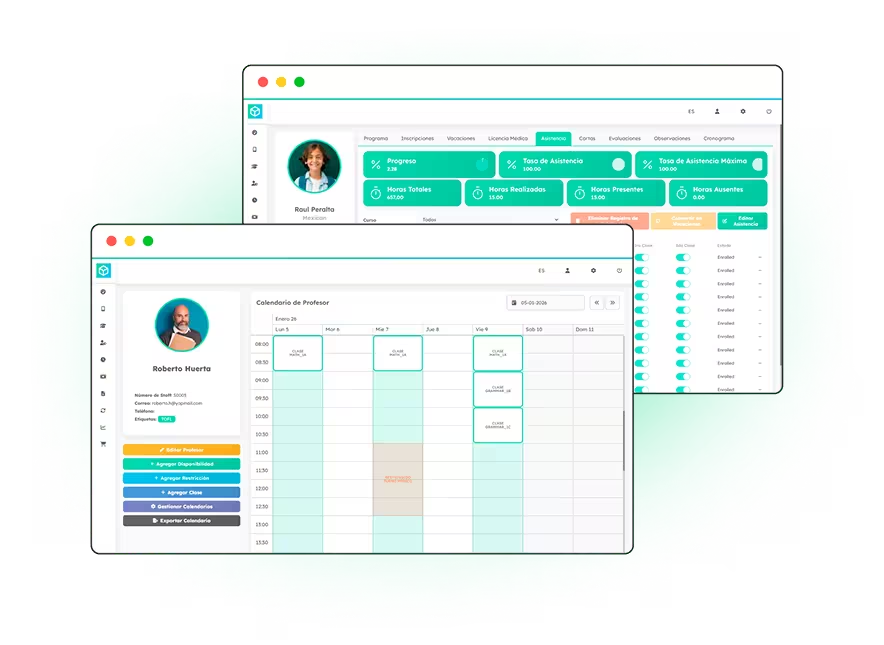
Complete organisation of classes and schedules
Configure and manage classes, levels, periods and academic calendars from a single place. Define flexible schedules according to your institution's modality and make quick adjustments to operational changes, always keeping the information updated and accessible for the academic team
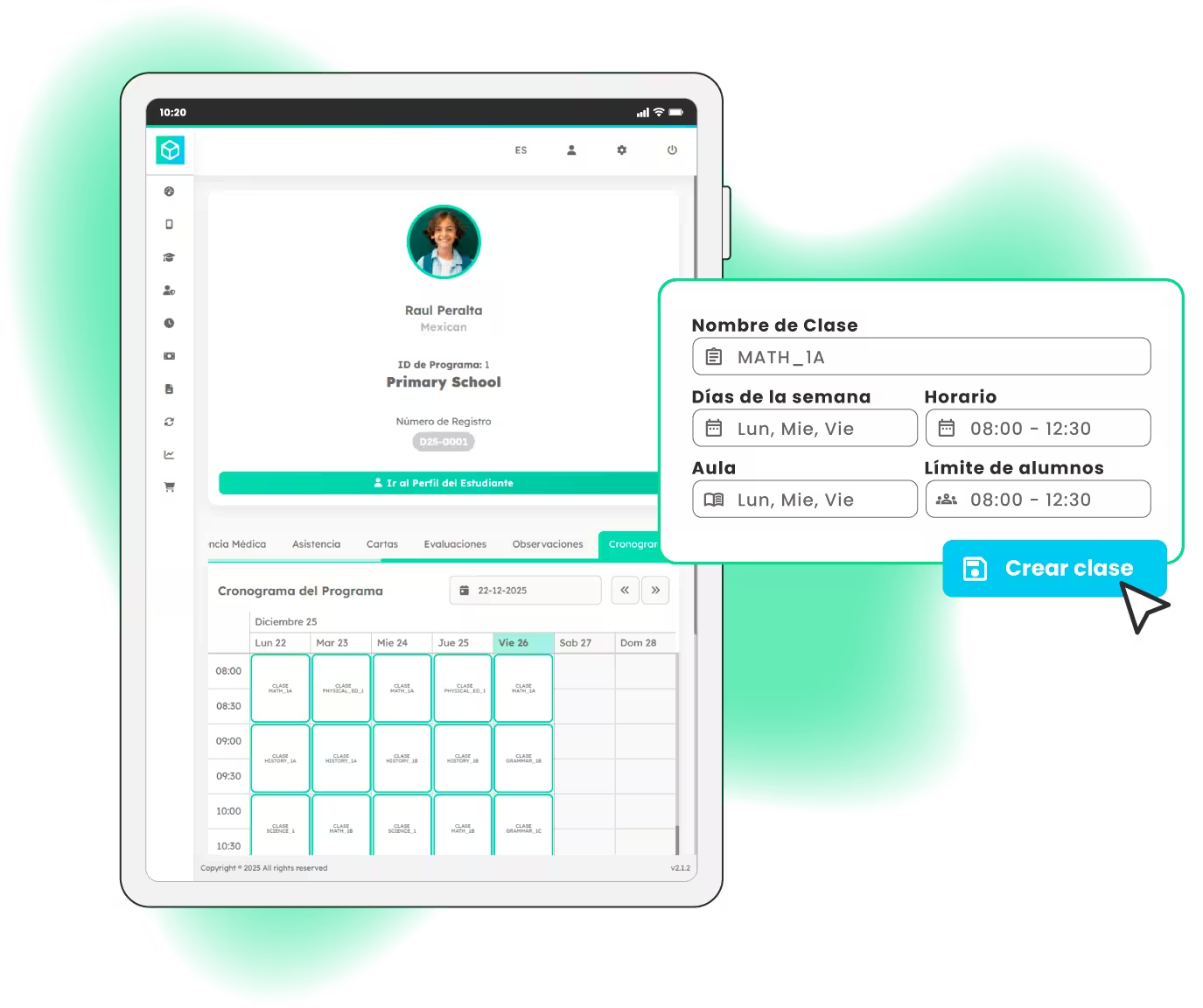
Management of teachers and assignments
Assign teachers to classes and classrooms in a clear and orderly manner. Control teacher availability, avoid overwork and ensure that each class has the appropriate staff, improving academic planning and educational continuity.
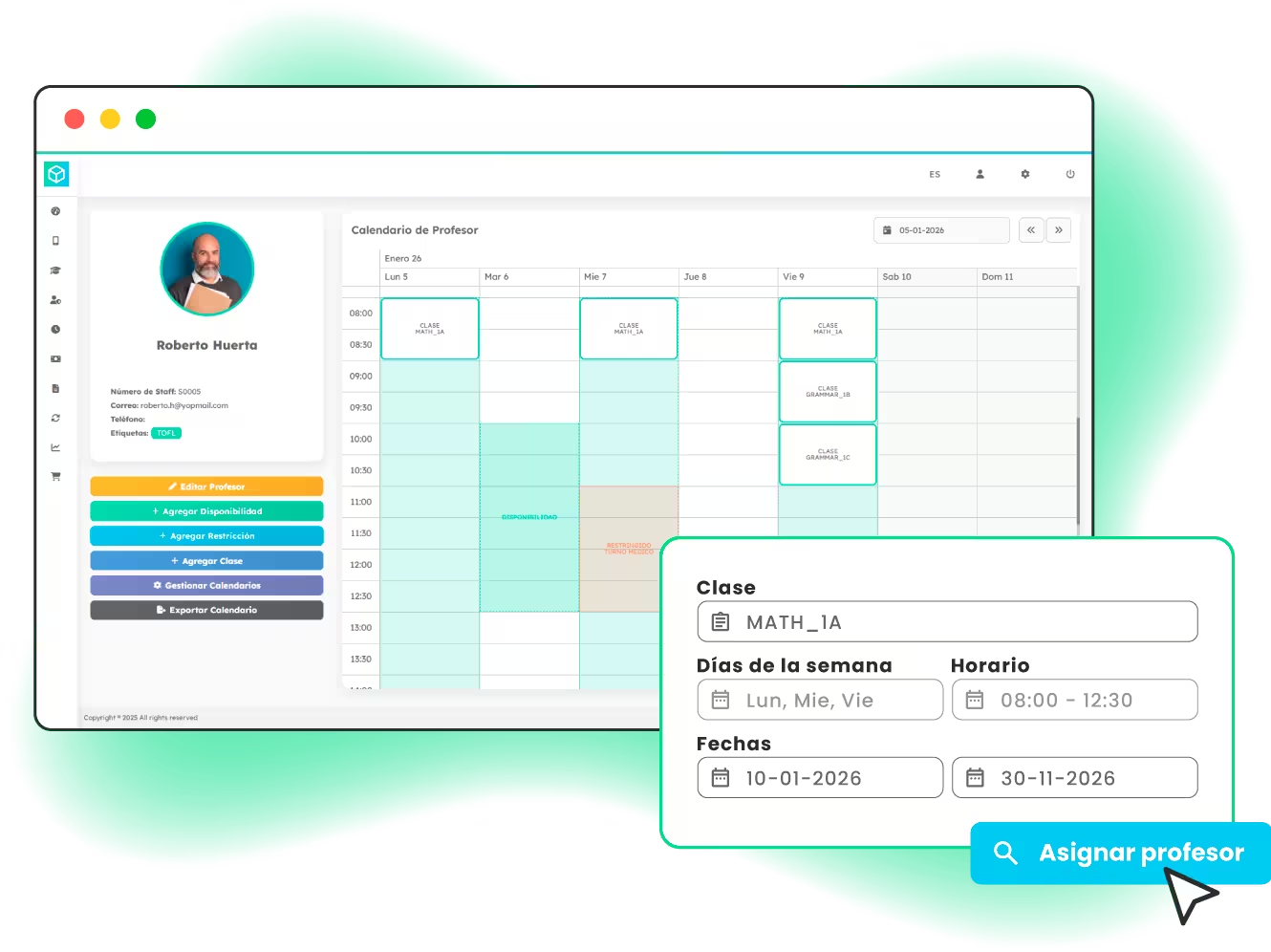
Daily attendance, evaluations and academic tracking
Register daily attendance, evaluations and academic results in a centralised manner. Access the academic history of each student and get a clear view of individual and group performance, facilitating continuous pedagogical follow-up.
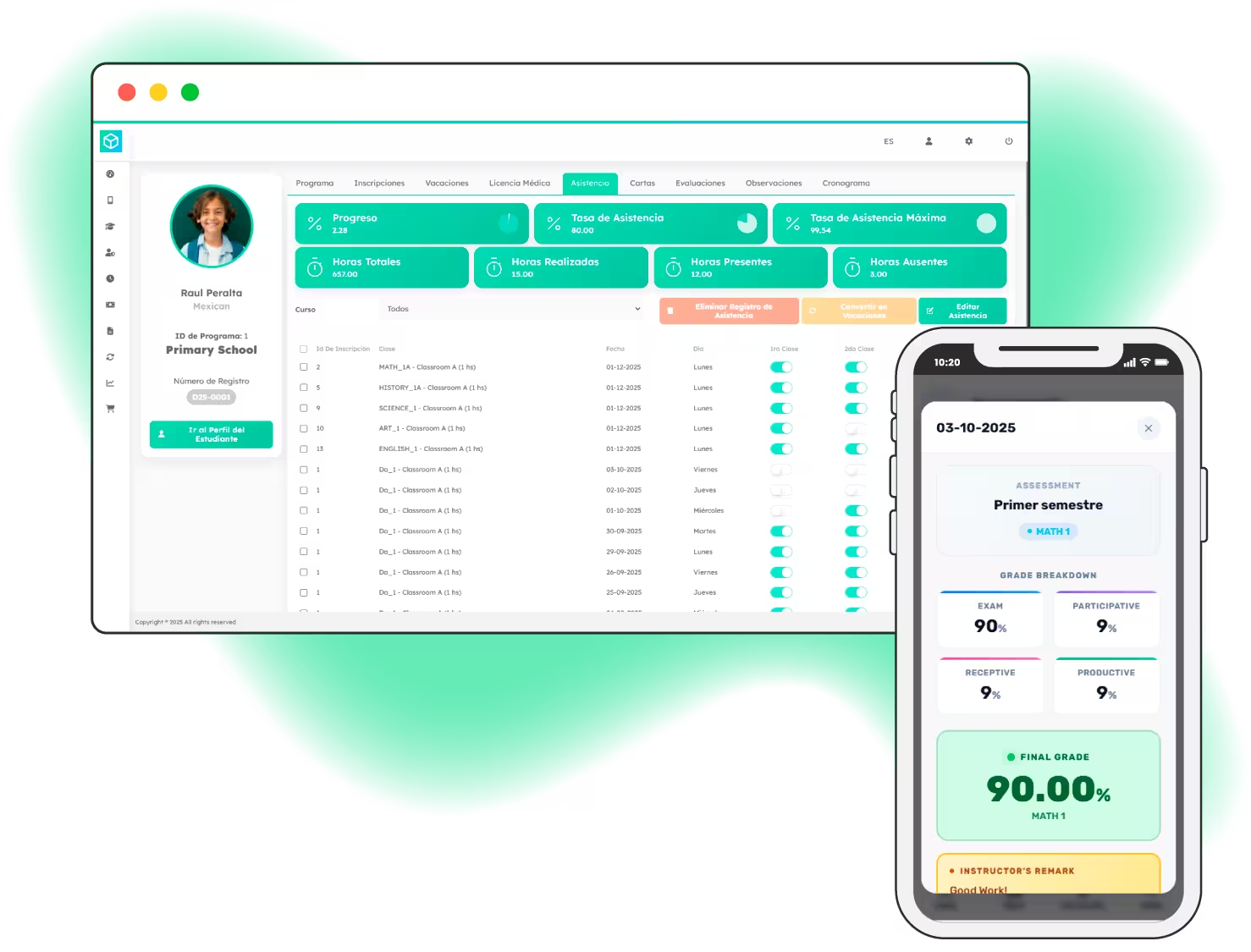
Integral student vision
Consult all the academic information of the student in a single profile: courses, attendance, evaluations and program status. This allows for more personalised follow-up and better coordination between the teaching and administrative teams.
From setting up the term to following each student
The academic year is configured once and everything that happens during it is recorded against that structure.
- 1
Configure the academic structure
Define classes, levels, periods and the academic calendar according to your institution's modality. Schedules are flexible, so a change mid-term is an adjustment rather than a rebuild.
- 2
Assign teachers and classrooms
Each class gets its teacher and its room. Availability is visible while you assign, which is what prevents overloading a teacher or double-booking a classroom.
- 3
Record attendance and evaluations
Attendance is taken daily and evaluations are recorded as they happen, in the same system. Nothing needs to be re-entered later into a separate sheet to produce a report.
- 4
Follow each student's progress
Every record lands in the student's profile: courses, attendance, evaluations and programme status. The teaching and administrative teams read the same history when they need to act.
Academic management: frequent questions
Classes, levels, periods and academic calendars; teacher and classroom assignment; daily attendance; evaluations and results; and the complete academic profile of each student. It is the teaching side of the institution, connected to admissions and finance in the same platform.
Yes. Schedules are configured per modality and can be adjusted during the term. Changes propagate to the affected classes, so the academic team does not have to rebuild a calendar to reflect an operational change.
Yes. Classes, levels and calendars are configured per structure, so an institution running more than one site or more than one modality manages them in the same platform instead of in one system per campus.
Attendance is taken daily and stored centrally against each class and student, so it feeds the student's academic history directly instead of living in a separate register that someone has to transcribe.
Yes. Courses, attendance, evaluations and programme status sit in a single student profile that both the teaching and the administrative team consult, which is what removes the back-and-forth between them.
Yes. Academic management is one module of KMPUS, not a separate product: a student enrolled through admissions is the same record the academic team works with, and the same one finance charges. There is no re-typing between modules.